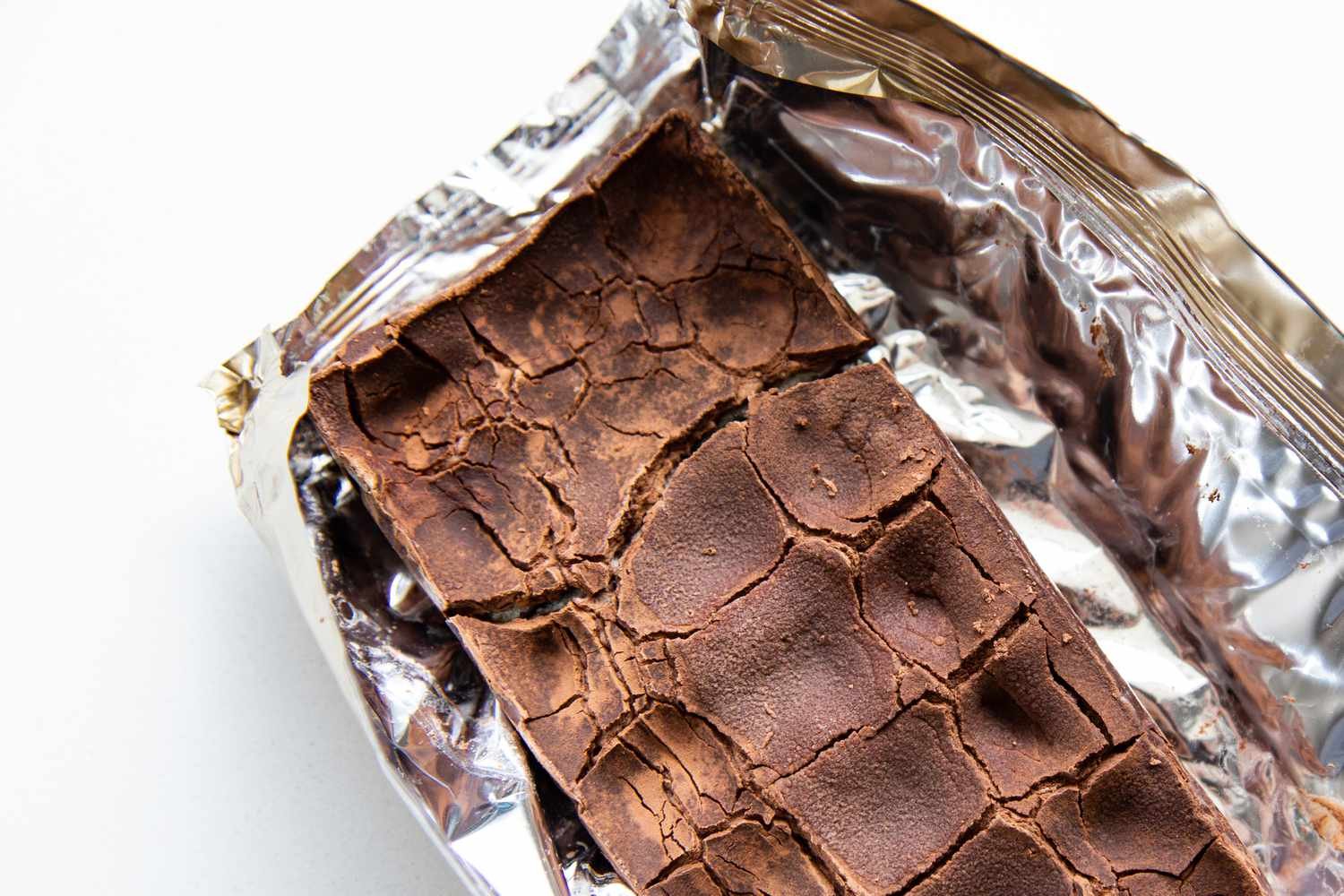
Picture this: It’s late evening, the house is quiet, and you’re craving a square of that dark chocolate bar you stashed in the pantry weeks ago. You unwrap it eagerly, only to find a weird, chalky white film covering the surface like it’s been dusted with powdered sugar gone wrong. Your first thought? “Is this mold? Should I toss it?” I’ve been there more times than I’d like to admit—especially during those humid Lahore summers when nothing stays cool for long. The good news hit me years ago after panicking over a favorite Lindt bar: that white stuff isn’t spoilage at all. It’s something called chocolate bloom, and yes, it’s completely safe to eat. Let’s dive deep into what it really is, why it happens, and how to handle it so you never waste good chocolate again.
What Exactly Is That White Stuff on Chocolate?
That powdery or streaky white coating you see isn’t mold, bacteria, or anything harmful—it’s chocolate bloom, a natural physical change in the chocolate’s structure. Bloom happens when either the fats (mainly cocoa butter) or sugars in the chocolate migrate to the surface and recrystallize, creating that unappealing look.
From my own kitchen mishaps and chats with fellow chocolate lovers, I’ve learned it’s super common, especially with bars stored improperly. The chocolate itself remains non-perishable thanks to its high sugar and low water content—no microbes thrive there. So while it might look dodgy, your bar is still perfectly edible.
The Two Main Types of Chocolate Bloom
Understanding the difference between the two types helps demystify why your chocolate looks the way it does and what to expect when you bite in.
Fat Bloom: The Greasy Streaks
Fat bloom occurs when cocoa butter melts slightly due to temperature fluctuations and then resolidifies unevenly on the surface. It often appears as whitish-gray streaks or a dull, waxy film rather than pure white powder.
In my experience, this is the most common culprit—think leaving chocolate in a warm car or near a heater. The cocoa butter shifts to a more stable crystal form (form VI), pushing fats outward. It’s harmless but can make the chocolate feel greasy or lose its snap.
Sugar Bloom: The Powdery Dust
Sugar bloom happens when moisture touches the chocolate, dissolving some sugar crystals which then recrystallize on the surface as it dries, leaving a dry, grainy white coating that looks almost like dust.
This one’s sneakier and often comes from condensation—like pulling a cold bar straight into humid air. I’ve seen it on bars forgotten in the fridge door. It feels sandy on the tongue but doesn’t alter safety, just texture and sometimes a subtle sweetness shift.
Is Chocolate Bloom Safe to Eat? The Straight Answer
Yes—unequivocally yes. Chocolate bloom, whether fat or sugar, doesn’t introduce toxins, pathogens, or spoilage. Sources from food safety authorities to chocolatiers agree: the chocolate is still safe to consume.
I’ve eaten plenty of bloomed bars over the years without a single issue. The worst outcome? A slightly off texture or muted flavor release. No tummy troubles, no health risks. It’s frustrating aesthetically, but your body processes it just fine.
Why Does Chocolate Bloom Happen? The Science Behind It
Chocolate is a delicate emulsion of cocoa solids, sugar, milk (if present), and cocoa butter, which exists in different crystal forms. When conditions change, those crystals rearrange.
Temperature swings cause fat bloom by melting unstable crystals (like form V, the ideal for snap and shine) into form VI, the most stable but bloomy one. Moisture triggers sugar bloom by pulling sugars out and letting them reform crystals. Both are physics, not chemistry gone bad.
Living in a place with extreme weather shifts, I’ve watched this happen faster than in cooler climates. It’s a reminder that chocolate prefers steady, cool conditions around 15-18°C (59-64°F).
How Bloom Affects Taste, Texture, and Quality
While safe, bloom does impact enjoyment. Fat bloom often dulls the glossy shine and crisp snap, making chocolate melt unevenly or feel waxy. Sugar bloom adds grittiness, like biting into sandy sugar crystals.
Flavor usually holds up—cocoa notes remain—but the bloom can mute aroma release and make it taste flatter. In baking or melting, it’s often no big deal; the changes disappear.
I’ve used bloomed chocolate in brownies where it melted perfectly, no one noticed. For eating straight, though, fresh is always better.
Comparison: Fresh Chocolate vs. Bloomed Chocolate
Here’s a quick side-by-side to see the differences clearly:
| Aspect | Fresh Chocolate | Bloomed Chocolate (Fat) | Bloomed Chocolate (Sugar) |
|---|---|---|---|
| Appearance | Glossy, smooth, dark brown | Dull, streaky white/gray | Powdery white, speckled |
| Texture | Firm snap, smooth melt | Waxy, greasy feel | Gritty, sandy |
| Flavor Release | Rich, aromatic | Slightly muted | Can taste sweeter or flat |
| Safety | Safe | Safe | Safe |
| Best Use | Eating plain | Baking, melting | Baking, sauces |
This table helps decide if it’s worth savoring or repurposing.
Pros and Cons of Eating Bloomed Chocolate
Eating it has upsides and downsides worth weighing.
Pros:
- Zero waste—save money and reduce guilt over tossing food.
- Still delivers cocoa’s antioxidants and mood-boosting compounds.
- Fine for cooking, where appearance doesn’t matter.
- No health risks whatsoever.
Cons:
- Loses premium mouthfeel and visual appeal.
- Texture changes can disappoint in plain eating.
- Might not satisfy that “perfect chocolate” craving.
- Can feel less indulgent.
For me, the pros win when I’m being practical, but I save fresh bars for special moments.
How to Prevent Chocolate Bloom in the First Place
Prevention beats cure every time. Store chocolate in a cool, dark place away from heat sources and odors—ideally 15-18°C with low humidity.
Use airtight containers or original wrapping plus a zip bag. Avoid the fridge unless necessary (condensation risk), and if you must, let it warm slowly at room temp before opening.
I keep mine in a dedicated pantry drawer now—no more surprises. For longer storage, a small airtight box with silica packets helps in humid areas.
What to Do If Your Chocolate Has Bloomed
Don’t panic or throw it away. If it’s just for snacking and the bloom is light, taste a piece—many find it still enjoyable.
For better results, melt it down for recipes like hot chocolate, ganache, or baking. The bloom vanishes when liquified.
If you’re tempering chocolate at home (a whole skill), you can sometimes rescue it by remelting and properly cooling, but that’s advanced.
People Also Ask
These are real questions popping up in searches—I’ve wondered most of them myself.
Is the white stuff on chocolate mold?
No, it’s not mold. Mold needs moisture and would look fuzzy or colored, not uniform white. Bloom is just rearranged cocoa butter or sugar crystals—harmless.
Does bloomed chocolate taste bad?
Not necessarily bad, but different. It can taste flatter or grittier, but the core chocolate flavor persists. Many people eat it without complaint.
Can you fix bloomed chocolate?
You can’t reverse bloom on the bar, but melting it smooths everything out. For tempering pros, remelting and seeding can restore shine if done carefully.
How long does chocolate last before blooming?
It varies—weeks to months depending on storage. High-quality dark chocolate lasts longer than milk due to less milk fat instability.
Is white bloom worse than gray streaks?
Not really—both are safe. Gray streaks (often fat bloom) might feel more waxy; white powder (sugar bloom) more gritty. Preference is personal.
FAQ
A few more common worries I’ve fielded from friends and family.
Is it still okay to give bloomed chocolate as a gift?
If it’s heavily bloomed, maybe not—appearance matters for presents. But if mild, remelt into truffles or bark for a homemade touch.
Does bloom mean the chocolate is old?
Often yes—it’s a sign of age or poor storage—but “old” chocolate is still safe far beyond bloom appearance.
Can I eat white chocolate with bloom?
Absolutely. White chocolate blooms too (it’s mostly cocoa butter), and the rules are the same—safe but texturally changed.
Should I refrigerate chocolate to prevent bloom?
Only if you live in extreme heat. Otherwise, cool pantry is better to avoid condensation bloom.
Is bloom more common in certain brands?
Cheaper or poorly tempered chocolates bloom faster. Premium brands with good tempering resist it longer, but nobody’s immune forever.
There you have it—the full scoop on that mysterious white stuff. Next time you spot it, take a breath, maybe chuckle at how science sneaks up on our treats, and decide if you’ll nibble or melt. Chocolate’s too good to waste over looks. Enjoy your next bar, bloom or no bloom— you’ve earned it.
(Word count: 2,682)