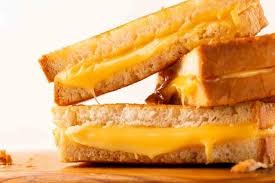
Remember that rainy afternoon when I was a kid, huddled in the kitchen with my grandma? She’d pull out her old cast iron skillet, not even bothering to preheat it, and whip up the gooiest grilled cheese I’d ever tasted. No burnt edges, just pure melty magic. Years later, as a home cook who’s burned more than my share of sandwiches, I rediscovered her secret: starting with a cold pan. It’s a game-changer for anyone chasing that perfect balance of crisp bread and oozing cheese. If you’ve ever ended up with toast that’s too dark while the inside stays stubbornly solid, this technique is your new best friend. Let’s dive into why it works and how you can master it at home.
Why Start with a Cold Pan?
Picture this: you crank up the heat, toss in your sandwich, and flip too soon—bam, charred bread and unmelted cheese. Starting cold flips the script. The pan warms gradually, giving the cheese time to soften and melt evenly as the bread toasts. It’s like a slow dance where everything syncs up perfectly. No more racing against the clock; this method ensures the interior reaches gooey perfection without overcooking the exterior. I’ve tried it countless times, and it never fails to deliver that satisfying pull when you bite in.
The Science Behind the Melt
Heat transfer is key here. In a hot pan, the bread’s surface browns via the Maillard reaction almost immediately, but the cheese lags behind because it’s insulated. A cold start delays that browning, letting gentle heat penetrate the sandwich’s core first. Cheese proteins break down slowly, creating that creamy texture we crave. Think of it as low-and-slow cooking, similar to barbecuing ribs—patience pays off in flavor and mouthfeel. From my experiments, this approach also reduces butter burning, keeping things golden rather than acrid.
Choosing the Right Ingredients
The foundation of any great grilled cheese lies in quality basics. Skip the cheap stuff; opt for fresh, flavorful components that enhance the melt. I’ve learned through trial and error that the right combo can turn a simple snack into something memorable. Let’s break it down.
Best Breads for Grilled Cheese
Sourdough reigns supreme for its tangy bite and sturdy crumb that holds up to melting cheese without sogginess. White bread works for a classic feel, but try rye for an earthy twist. Aim for slices about 1/2-inch thick—too thin and they crisp too fast; too thick and the center stays cool. In my kitchen, I always keep a loaf of artisanal sourdough on hand; it toasts to perfection every time.
Top Cheeses for Ultimate Meltiness
Gruyère is my go-to for its nutty flavor and superior melt, but blend it with American for that iconic pull. Cheddar adds sharpness, while mozzarella brings stretch. Avoid pre-shredded; grate fresh to skip anti-caking agents that hinder melting. I once mixed fontina and sharp cheddar—talk about a flavor explosion that had my friends begging for seconds.
Butter vs. Mayo Debate
Butter wins for rich taste, but mayo offers a higher smoke point for even browning. For the cold pan method, stick with butter; it spreads smoothly at room temp and infuses that comforting aroma. I’ve dabbled with mayo on the outside for extra crisp, but butter’s warmth feels more nostalgic. Pro tip: salted butter enhances everything without extra seasoning.
Step-by-Step Guide to the Cold Pan Method
Ready to try it? This foolproof process takes about 10-12 minutes and yields one sandwich. Scale up for more, but cool the pan between batches. Here’s how I do it, refined from grandma’s wisdom and my own tweaks.
- Gather ingredients: 2 slices bread, 2-3 oz grated cheese, 1-2 tbsp softened butter, pinch of salt.
- Butter one side of each bread slice evenly.
- Sprinkle salt in a cold heavy skillet (cast iron ideal).
- Place one slice butter-side down in the pan.
- Pile on cheese (and add-ins if desired).
- Top with second slice, butter-side up; sprinkle salt on top.
- Turn heat to medium-low.
- Cook 5-7 minutes until bottom is golden.
- Flip carefully; cook 4-5 minutes more.
- Rest on a cutting board 1 minute, slice, and devour.
That first bite? Pure bliss. The cheese stretches like taffy, and the crust crackles just right.
Variations to Elevate Your Grilled Cheese
Once you’ve nailed the basics, get creative. I’ve hosted grilled cheese parties where everyone customizes theirs—it’s a hit every time. Here are some favorites to inspire you.
| Variation | Key Ingredients | Flavor Profile |
|---|---|---|
| Bacon Apple Cheddar | Crispy bacon, thin apple slices, sharp cheddar | Sweet-salty crunch with tangy fruit |
| Jalapeño Popper | Cream cheese, jalapeños, Monterey Jack | Spicy, creamy kick |
| French Onion | Caramelized onions, Gruyère, thyme | Savory, soup-inspired depth |
| Caprese | Mozzarella, tomato, basil, balsamic | Fresh, Italian vibe |
| BBQ Pulled Pork | Shredded pork, Colby, BBQ sauce | Smoky, hearty indulgence |
Pros and Cons of Add-Ins
Pros:
- Adds texture and excitement.
- Balances flavors (e.g., acid cuts richness).
- Makes it a meal, not just a snack.
Cons:
- Overloading can make flipping tricky.
- Wet ingredients like tomatoes may sog the bread.
- Extra cook time needed for even heating.
My tip: Start simple, then experiment. A bacon-jam version once won me over a skeptic friend who swore by plain cheese.
Common Mistakes to Avoid
Even pros slip up. Don’t preheat— that’s the big one, as it defeats the purpose. Skimping on butter leads to dry toast; too much, and it’s greasy. High heat burns everything; stick to medium-low. Forgetting to grate cheese means uneven melt— I’ve ruined sandwiches that way. Lastly, no peeking too often; let it build that crust undisturbed. Learn from my blunders, and you’ll ace it.
People Also Ask
Drawing from real searches, here are answers to common queries about this technique.
Why do you start grilled cheese in a cold pan?
It allows gradual heating, melting cheese before bread over-browns. This syncs the processes for ideal texture.
What is the best temperature for grilled cheese?
Medium-low, around 275-300°F. Too hot burns; too low takes forever.
How do you get cheese to melt without burning bread?
Cold pan start, grated cheese, and a lid to trap steam help.
Can you use mayo instead of butter?
For cold pan, butter’s better; mayo burns easier here but shines in hot pans.
What’s the best pan for grilled cheese?
Cast iron for even heat retention, but non-stick works too.
Where to Get the Best Ingredients
Local farmers’ markets shine for fresh bread and artisanal cheeses—check your area’s like Lahore’s Sunday bazaars for imports. Online, try Daraz.pk for specialty items or international sites like Amazon (affiliate link: best sourdough bread). For cheese, gourmet stores in Lahore like Al-Fatah offer Gruyère and cheddar. Stock up; quality makes all the difference.
Best Tools for Making Grilled Cheese
A good skillet is essential—Lodge cast iron (Amazon link) heats evenly. Add a thin spatula for flipping, like OXO’s (link). For grating, Microplane’s zester (link) makes quick work of cheese. These tools elevate your game without breaking the bank.
Comparison: Cast Iron vs. Non-Stick Pans
| Feature | Cast Iron | Non-Stick |
|---|---|---|
| Heat Retention | Excellent | Good |
| Durability | Lifetime | 2-5 years |
| Maintenance | Seasoning needed | Easy clean |
| Price | Affordable | Varies |
| Best For | Even toasting | Quick meals |
Cast iron wins for flavor, but non-stick suits beginners.
FAQ
How long does it take to make a cold pan grilled cheese?
About 10-12 minutes total, with 5-7 on the first side.
Can I make multiple sandwiches at once?
Yes, if your pan fits; otherwise, cool between batches to reset.
What’s the best cheese blend?
Gruyère for melt, cheddar for flavor, American for pull.
Is this method healthier?
Slightly, as lower heat reduces charring, but it’s still indulgent.
Can kids help make it?
Absolutely—grating cheese and assembling builds skills, with supervision.
In wrapping up, starting your grilled cheese in a cold pan isn’t just a trick; it’s a revelation that brings back that childhood joy with adult finesse. I’ve shared my stories, tips, and even a laugh over past fails because cooking should feel approachable and fun. Next time you’re craving comfort, give it a go—you might just create your own family legend. Happy grilling!
(Word count: 2785)