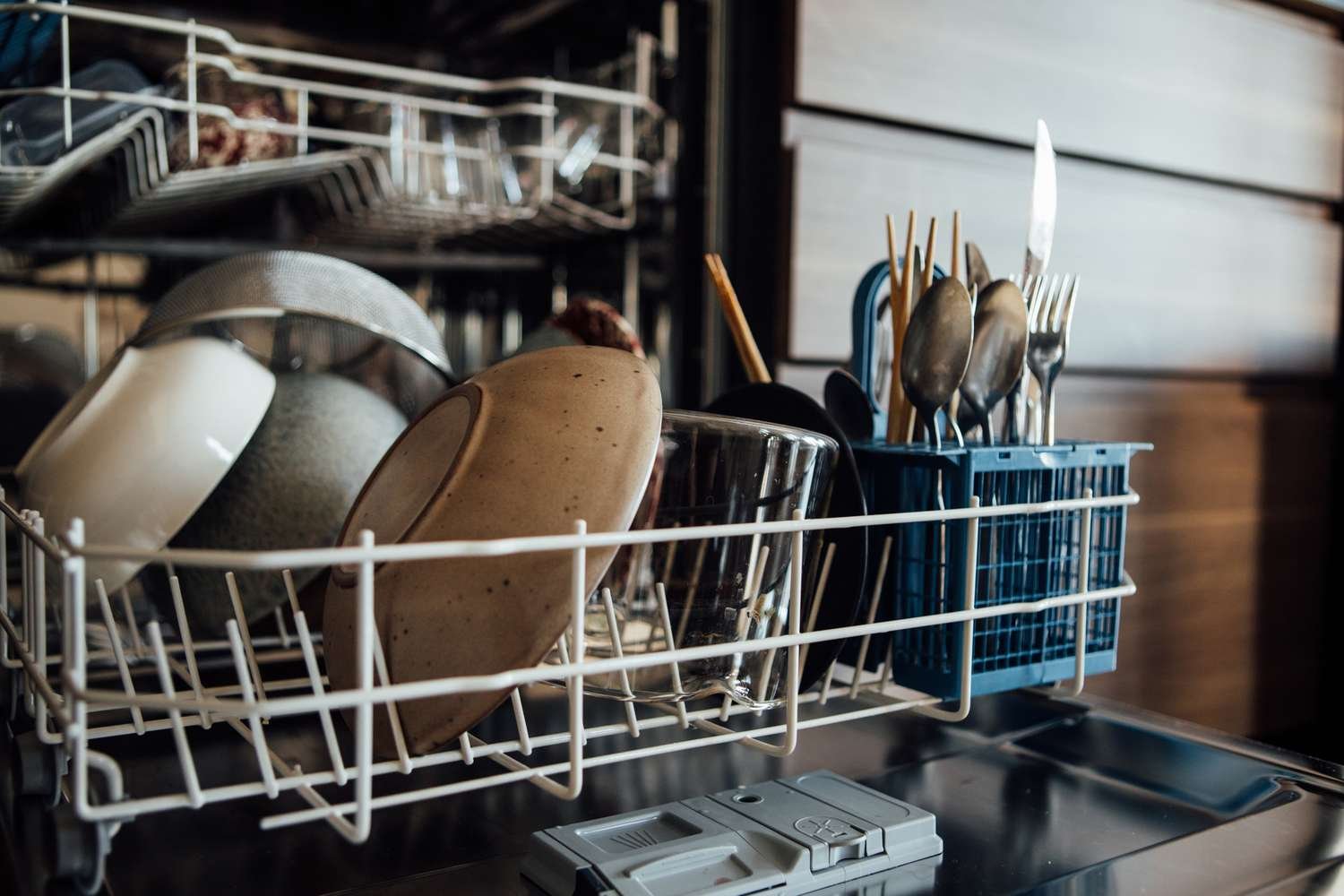
A couple of years back, my electricity bill jumped unexpectedly one summer month. I was scratching my head because nothing major had changed—no new gadgets, no kids home from college blasting AC all day. Then I noticed the pattern: I’d been running the dishwasher right after dinner, around 7 p.m., when everyone was home and lights were on everywhere. Turns out, that was smack in the middle of peak pricing hours for my utility. Switching to nighttime runs dropped my bill noticeably without any extra effort. It was one of those “why didn’t I think of this sooner” moments that made me feel both smart and a little silly for waiting so long. If your bill feels higher than it should, timing your dishwasher could be an easy win. The cheapest time to run your dishwasher is almost always during off-peak electricity hours, typically late at night or very early morning when demand drops and rates fall. But it depends on your utility’s time-of-use plan, location, and season. Let’s break it down so you can start saving real money.
Why Timing Your Dishwasher Matters for Your Wallet
Dishwashers aren’t huge energy hogs compared to dryers or ovens, but they do pull a decent amount of power—usually 1 to 1.5 kWh per cycle for heating water and running the pump. When you multiply that by several loads a week, and factor in varying electricity rates, the cost adds up fast during expensive times. Running during cheaper periods cuts your per-load expense significantly, especially if you’re on a time-of-use (TOU) plan.
Understanding Time-of-Use Electricity Rates
Many utilities now use TOU plans to encourage shifting usage away from high-demand periods. Peak hours see higher rates because the grid strains under heavy load from air conditioners, lights, and appliances across neighborhoods. Off-peak hours offer lower rates to balance things out.
What Are Peak, Off-Peak, and Shoulder Hours?
Peak hours are when everyone’s home cranking up appliances—often weekday afternoons and evenings. Off-peak is the quiet times, usually overnight. Shoulder hours sit in between with moderate pricing. Knowing your specific schedule is key to maximizing savings.
How TOU Plans Vary by Location and Season
In places like California, peak might run 4-9 p.m. with super-off-peak overnight. In other areas, it could be 3-7 p.m. or different. Summer peaks are often harsher due to AC demand, while winter might have milder differences. Always check your utility’s website for exact times—it’s usually listed under rate plans.
The Cheapest Time to Run Your Dishwasher: Nighttime Wins
As a general rule, the cheapest time is late at night—think 10 p.m. to 6 a.m.—when most folks are asleep and grid demand plummets. Utilities drop rates to encourage this shift. Early mornings work too if you’re an early riser. This timing can slash costs by 50% or more on TOU plans.
Real Savings Examples from Different Utilities
Take a typical 1.2 kWh cycle. At peak rates around $0.40–$0.60/kWh (common in high-cost states), that’s $0.48–$0.72 per load. Off-peak at $0.10–$0.20/kWh drops it to $0.12–$0.24. Running five loads weekly off-peak could save $50–$100 yearly—enough for a nice dinner out.
- California example (PG&E or similar): Peak $0.42/kWh, off-peak $0.11/kWh → 74% savings per load.
- Michigan (DTE): Avoid 3-7 p.m. peaks for big cuts.
- Average U.S.: Shifting to off-peak often yields $30–$50 monthly household savings when including other appliances.
Why Nighttime Beats Daytime Every Time
Beyond rates, nighttime running means cooler ambient temps, which can slightly ease the heating element’s workload. Plus, no one’s using hot water simultaneously, so pressure stays steady for better cleaning.
How to Find Your Utility’s Exact Cheapest Hours
Log into your utility account or search “[your utility] time of use rates.” Look for PDFs or tools showing hourly pricing. Many offer apps that track usage and suggest shifts. If you’re not on TOU, ask about switching—most offer it free.
Using Your Dishwasher’s Delay Start Feature
Most modern dishwashers have a delay timer—set it to start at midnight, and it runs while you sleep. Load after dinner, hit delay, and wake to clean dishes. It’s hands-off magic.
- Load fully (don’t run half-loads).
- Scrape plates but skip pre-rinsing.
- Choose eco or air-dry modes.
- Delay to off-peak slot.
Pros: Zero extra work, consistent savings. Cons: Dishes sit dirty longer (but that’s minor for most).
Pros and Cons of Running Dishwasher at Night
- Pros:
- Lower electricity costs.
- Reduced grid strain.
- Quieter home during day.
- Better hot water availability.
- Cons:
- Noise might disturb light sleepers (use quiet models).
- Forgot loads could sit until morning.
- Minor delay in dish access.
Overall, pros dominate for most households.
Comparison: Night vs. Morning vs. Peak Hours
| Time Slot | Typical Rate Level | Avg. Cost per Load (1.2 kWh) | Best For | Drawbacks |
|---|---|---|---|---|
| Peak (e.g., 4-9 p.m.) | High | $0.50–$0.70 | Urgent needs only | Highest cost, grid strain |
| Shoulder (e.g., mid-afternoon) | Medium | $0.30–$0.45 | Flexible days | Still pricier than off-peak |
| Off-Peak Night (10 p.m.–6 a.m.) | Low | $0.10–$0.25 | Maximum savings | Slight noise at night |
| Early Morning | Low | $0.10–$0.25 | Early birds | Dishes ready later |
Night usually edges out for convenience and deepest savings.
Additional Ways to Save on Dishwasher Energy
Beyond timing, optimize usage for even more cuts.
- Run full loads only—half-loads waste energy.
- Use eco cycles—they’re longer but use less power.
- Skip heated dry; air-dry saves 15–30% energy.
- Maintain your machine: Clean filter monthly.
Is It Worth Switching to a Time-of-Use Plan?
If your utility offers it and you can shift habits, yes. Savings compound across appliances. Check eligibility—some plans suit solar users differently.
Best Tools and Features for Smart Timing
Look for dishwashers with Wi-Fi/app control (e.g., Bosch or Whirlpool models) to schedule remotely. Smart plugs work for older units. ENERGY STAR certified models use less overall.
For more on efficient appliances, visit the U.S. Department of Energy’s dishwasher guide.
People Also Ask: Common Questions on Dishwasher Timing
These pop up frequently in searches about saving on dishwasher runs.
What is the best time to run the dishwasher to save electricity?
Late night or early morning during off-peak hours, when rates are lowest.
Does running the dishwasher at night save money?
Yes, significantly if on a TOU plan—often 50%+ per load compared to peak.
Is it cheaper to run appliances at night?
Generally yes, due to lower demand and off-peak pricing.
What time is off-peak electricity?
Varies by utility—commonly 10 p.m. to 6 a.m., weekends/holidays full off-peak.
How much does a dishwasher cost to run per load?
$0.10–$0.70 depending on rates and model; off-peak keeps it low.
FAQ: Your Top Questions Answered
How do I know if I’m on a time-of-use plan?
Check your bill or utility account—look for “TOU,” “time-of-day,” or tiered rates by hour.
Can running at night damage my dishwasher?
No—most are designed for it, and cooler temps might even help longevity.
What if I don’t have a delay start feature?
Use a cheap timer plug or manually start before bed.
Does this work in apartments or rentals?
Yes, as long as your utility has TOU—timing is universal.
Are there any downsides to nighttime runs?
Minimal—perhaps slight noise, but modern quiet models (under 45 dB) are barely noticeable.
Timing your dishwasher might seem small, but it’s one of those easy habits that adds up to real savings over months and years. I still smile every time I load it up and hit delay—feels like outsmarting the system a little. Give it a try this week; check your rates, set that timer, and watch the difference. Your wallet (and maybe the planet) will thank you. For more energy tips, explore EnergySage on off-peak hours or your utility’s savings page.
(Word count: 2,682)