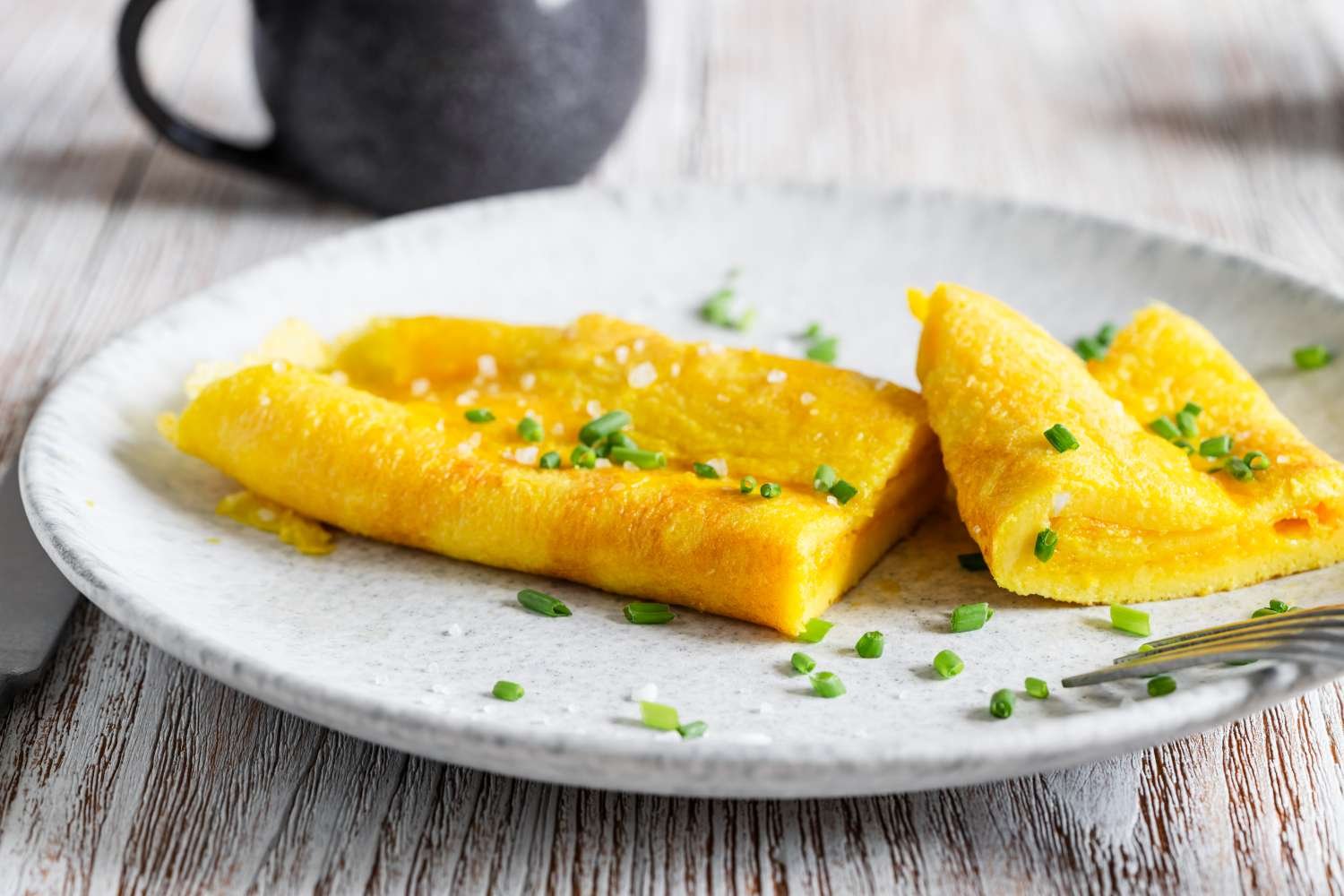
The title “Why French Omelettes Are Harder to Make Than American Omelets, According to a Chef” draws from insights shared by culinary experts like Jacques Pépin, who has long emphasized the French omelette as a benchmark for skill. In his demonstrations, he highlights how the technique demands precision in heat control, constant motion, and perfect timing—qualities that make it unforgiving compared to the more forgiving American style. I’ve burned my share of attempts over the years, but nailing that creamy, pale cylinder feels like a small victory every time. This article breaks down the real reasons the French version challenges even experienced cooks, drawing from classic techniques and practical experience.
The Classic Face-Off: French vs. American Omelets
At first glance, both are just eggs in a pan, but the devil hides in the details of texture, appearance, and execution. French omelettes aim for elegance—a smooth, unblemished golden-yellow exterior with a custardy, almost runny center—while American omelets embrace hearty, browned edges and generous fillings. The French style’s subtlety leaves little room for error; one wrong move and it’s overcooked or stuck. American versions forgive more, letting you walk away for a second without disaster.
What Exactly Is a French Omelette?
A true French omelette, or omelette baveuse, relies on vigorous whisking for uniformity, high initial heat with plenty of butter, and relentless shaking to form tiny curds that meld into creaminess. No browning allowed—the surface stays pale and glossy. Traditionally minimalist, it’s often just eggs, butter, salt, pepper, and maybe chives. This purity amplifies technique over ingredients.
Key Characteristics of the French Style
Pale color comes from avoiding Maillard reaction; the interior stays soft and moist, almost like a loose custard. Rolling into a neat cylinder requires a practiced wrist flick. Chefs judge skill by this dish because it reveals control over heat and motion instantly.
Defining the American Omelet
The American omelet, often seen in diners, cooks longer for firmness and develops golden-brown edges. Fillings like ham, cheese, peppers, and onions go in generously, then the whole thing folds in half. It’s sturdy, portable, and satisfying—perfect for loading up without worry.
Hallmarks of the American Approach
Longer cooking creates a set structure that holds heavy add-ins. Browning adds flavor through caramelization. The half-fold is straightforward, making it accessible for home cooks and busy mornings.
Why the French Version Demands More Skill
The core challenge lies in achieving that signature baveuse texture without overcooking. You cook fast on high heat but must pull back precisely to keep the center creamy. Constant pan shaking prevents sticking and ensures even cooking—stop shaking, and lumps form or it browns. Timing the roll is critical; too soon and it falls apart, too late and it toughens.
The Role of Heat and Motion
High heat sets a thin skin quickly while the interior lags behind. Shaking incorporates air for fluffiness but requires rhythm. American omelets sit mostly undisturbed, so heat management is simpler—no frantic wrist work needed.
Why Fillings Make a Difference
French omelettes skip heavy fillings to spotlight egg texture; any additions are minimal and added post-cook. American styles stuff early, which helps set the eggs around chunks but risks sogginess if mishandled. The French purity heightens pressure—nothing hides mistakes.
Technique Breakdown: Step-by-Step Comparison
Both start with beaten eggs and butter, but paths diverge immediately.
French Omelette Steps
Crack eggs, whisk vigorously with salt until homogeneous. Heat nonstick pan hot, add generous butter, swirl to coat. Pour eggs in, shake pan constantly while stirring with fork or spatula to form fine curds. When mostly set but still creamy on top, tilt and roll using pan edge or fork. Slide onto plate seam-side down.
American Omelet Steps
Beat eggs lightly. Heat pan medium, add butter or oil. Pour eggs, let set without much stirring. Add fillings to one side when edges firm up. Fold over, cook until golden and fillings warm. Flip if needed for even browning.
Side-by-Side Technique Comparison Table
| Aspect | French Omelette | American Omelet |
|---|---|---|
| Heat Level | High initial, quick adjust | Medium, steady |
| Pan Movement | Constant shaking + stirring | Minimal, mostly stationary |
| Cooking Time | 20-60 seconds | 3-5 minutes |
| Exterior Color | Pale yellow, no brown | Golden to brown |
| Interior Texture | Creamy, custardy, slightly runny | Firm, set throughout |
| Folding Method | Rolled into cylinder (often tri-fold) | Half-fold like a book |
| Fillings | Minimal/none or added after | Heavy, incorporated during cooking |
Common Pitfalls That Make French Omelettes Tricky
Over-whisking creates too much air, leading to uneven texture; under-whisking leaves streaks. Too much heat browns the bottom instantly. Insufficient butter causes sticking—French technique uses butter liberally as flavor and lubricant. Pan size matters; too large spreads eggs thin and uneven. Nerves play a role too—rushing the roll ruins the shape.
Pros and Cons of Mastering Each Style
French Omelette Pros:
- Elegant presentation
- Superior texture and lightness
- Builds fundamental cooking skills
French Omelette Cons:
- High failure rate for beginners
- Requires perfect equipment and timing
- Less filling capacity
American Omelet Pros:
- Forgiving and customizable
- Great for hearty meals
- Easier for batch cooking
American Omelet Cons:
- Can become dense or rubbery if overcooked
- Less refined appearance
- Masks egg quality with add-ins
Insights from Legendary Chefs
Jacques Pépin calls the French omelette a test of competence—his videos show effortless shaking and rolling that come from decades of practice. Julia Child famously made one in seconds on TV, stressing the jerking motion to loosen eggs. Both demonstrate how simplicity exposes flaws; no hiding behind cheese or veggies.
Learning from the Masters
Watch Pépin’s demos for wrist technique or Child’s bean-filling practice trick—fill a pan with dried beans and jerk it to simulate egg movement without waste. These build muscle memory before real eggs hit the pan.
Equipment That Makes or Breaks the Dish
A quality nonstick pan (8-10 inches) is non-negotiable for French style—cast iron works but demands perfect seasoning. Silicone spatula or fork for stirring; avoid metal that scratches. Good heat source like gas or induction for quick response.
Best Tools for French Omelettes
- Nonstick skillet (e.g., De Buyer or similar premium brands)
- Fork or heat-resistant spatula
- Fresh, room-temperature eggs for better emulsion
For American, a larger pan handles fillings better; cast iron adds flavor.
Tips to Nail Your First French Omelette
Start with two eggs to practice without waste. Use clarified butter for higher smoke point. Practice shaking on low heat first. Don’t fear runny centers—baveuse means “drooling” in French, intentionally soft. Season eggs before cooking for even flavor.
Step-by-Step Beginner French Omelette Recipe
Whisk 3 eggs vigorously with pinch of salt. Heat 8-inch nonstick pan over medium-high, add 2 tbsp butter. When foaming subsides, pour eggs. Shake pan back-and-forth while stirring gently. When edges set but center jiggles, remove from heat. Tilt pan, use fork to fold edges in, roll onto plate. Top with chives and more butter.
People Also Ask: Real Google Questions on French vs American Omelets
These reflect common curiosities from searchers digging into the topic.
What’s the main difference between a French omelette and an American omelet?
Texture and cooking: French is soft, pale, rolled, and minimalist; American is firm, browned, folded, and loaded.
Is a French omelette better than an American one?
Not objectively—French offers refined elegance, American hearty satisfaction. Preference depends on mood and occasion.
How do you make a French omelette like Jacques Pépin?
Vigorous whisking, high heat with lots of butter, constant shaking, quick roll. Check his videos for visuals.
Why do French omelettes have no fillings?
Tradition focuses on egg perfection; fillings distract from texture. Add herbs or cheese sparingly if desired.
Can you make a French omelette in a regular pan?
Yes, but nonstick is easiest. Well-seasoned cast iron works with extra butter.
Final Thoughts: Why Bother Mastering the French Omelette?
It’s not just breakfast—it’s a rite of passage that sharpens attention to detail. Once you succeed, that creamy bite reminds you why technique trumps shortcuts. I’ve gone from torn, browned messes to consistent successes, and each one feels earned. Give it a shot; the worst is scrambled eggs, and that’s still delicious. What’s your omelette style—French finesse or American abundance? Drop a comment below.
FAQ: Quick Answers to Common Questions
Why is the French omelette considered harder?
It demands precise timing, constant motion, and no browning—small errors show immediately, unlike the more forgiving American fold.
What pan is best for French omelettes?
An 8-10 inch nonstick skillet ensures easy release and even cooking. Avoid scratched or cheap ones.
Can beginners learn the French technique?
Absolutely—start slow, practice the shake with beans like Julia Child suggested, and use extra butter.
Are French omelettes healthier?
They’re lighter with less cooking time and fewer add-ins, but both are nutritious depending on ingredients.
Where can I watch expert demos?
Jacques Pépin’s French Omelette video or Julia Child’s classic episodes on YouTube offer timeless guidance.
(Word count: 2,682)